作者: 发布时间:2026-07-13 来源:复旦发展研究院+收藏本文
你是否曾思考过——我们正面临什么样的全球挑战?可持续发展目标为何难以实现?转型究竟如何发生?如果你渴望超越传统学科的边界,用全新的视角审视人类社会的未来,这门可持续发展研究院(SDI)重磅推出的本研融通通识教育课程,正是为你而设!
Have you ever wondered— what global challenges are we truly facing? Why are the Sustainable Development Goals so difficult to achieve? How does transformation actually happen? If you are eager to go beyond traditional disciplinary boundaries and examine the future of human society from a fresh perspective, then this SDI-launched course is designed for you!
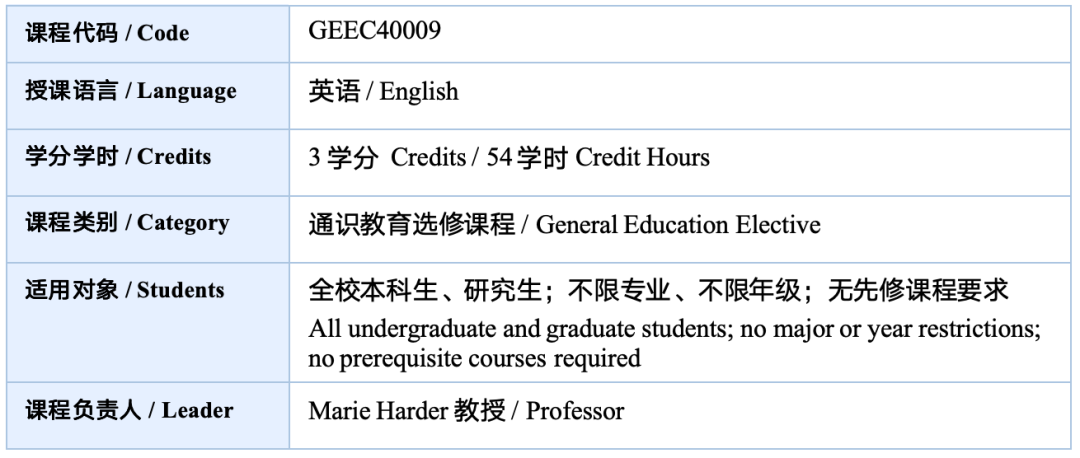
本课程以可持续发展目标(SDGs)为切入点,系统介绍可持续发展的基本概念、核心议题、现实瓶颈与主要转型路径,帮助学生建立对可持续发展问题的整体认识。课程结合食物、资源、城市等全球现实议题,重点讲授复杂系统思维、公正转型、多目标协同与冲突、共享价值、隐性知识以及超学科问题解决等核心内容,使学生不仅理解“可持续发展是什么”,也理解“为什么现实中常常难以实现“以及”如何在复杂情境中推进转型”。
This course takes the Sustainable Development Goals (SDGs) as its entry point, systematically introducing the basic concepts, core issue areas, present-day bottlenecks, and major transition pathways of sustainable development. Drawing on real-world global issues such as food, resources, and cities, the course addresses key topics including complex systems thinking, just transitions, trade-offs and synergies, shared values, tacit knowledge, and transdisciplinary problem-solving. In this way, students are expected to learn not only what sustainable development is, but also why it is often difficult to achieve in practice and how transitions may be advanced under complex real-world conditions.
课程强调,当代可持续发展问题往往同时具有技术、社会与全球治理属性,要求学生在科学工程思维之外,进一步理解跨尺度协同、规则协调、多元主体互动与价值整合等关键机制。通过案例分析、课堂研讨与实践训练,课程旨在帮助学生提升其对复杂问题的整体识别、综合研判、跨界协作与负责任行动能力。课程交互性较强,内容有一定难度。
The course emphasizes that contemporary sustainability challenges are at once technical, social, and global-governance-related, and therefore require students to move beyond science and engineering design alone and engage with cross-scale coordination, rule alignment, multi-actor interaction, and value integration. Through case studies, class discussion, and practice-based learning, the course aims to strengthen students' holistic problem recognition, integrated judgment, cross-boundary collaboration, and responsible action capabilities. The course is highly interactive and relatively challenging.
1.帮助学生系统理解可持续发展的核心理论框架与转型路径的前沿研究
Help students to systematically understand the core theoretical frameworks of sustainable development and cutting-edge research on transition pathways
2.帮助学生掌握超学科研究的基本方法论,学会在真实情境中整合多元知识
Help students to master the fundamental methodology of transdisciplinary research and learn to integrate diverse knowledge in real-world contexts
3.培养学生批判性思维与复杂问题解决能力,能够对可持续发展议题进行独立分析
Develop critical thinking and complex problem-solving skills for students, enabling independent analysis of sustainability issues
4.提升学生跨文化沟通与团队协作能力,在多元视角的碰撞中形成自己的见解。
Enhance cross-cultural communication and teamwork skills for students, forming their own insights through the interaction of diverse perspectives.
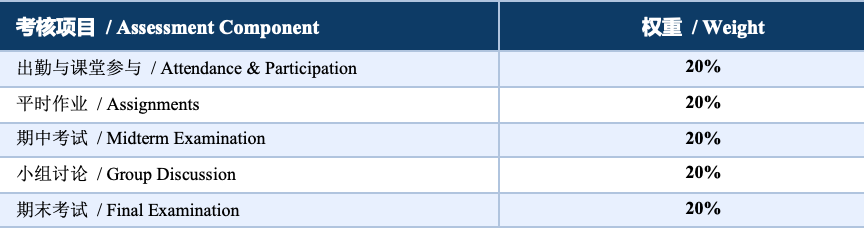
本课程采用高度互动、递进式的教学模式。每个四周教学单元均以核心概念讲授开始,涵盖可持续发展、SDGs、转型路径、共享价值、隐性知识与系统思维等关键内容。随后通过在线研究、展示汇报、小组讨论与WeValue InSitu工作坊等实践体验活动,将概念学习与现实情境的解读有机结合。每个单元结束时布置小作业以巩固学习成果,并在课堂中加以分享与讨论。
The teaching process is highly interactive and progressively structured. Each 4-week section begins with explicit knowledge input on key concepts, frameworks, and real-world issues—for example SD, the SDGs, implementation bottlenecks, transition pathways, shared values, tacit knowledge, and systems thinking, followed by activities including online research, presentations, panel discussions, and the experiential WeValue InSitu practice-based approach. A small assignment consolidates learning at the end of each section, with findings shared and built upon in class.
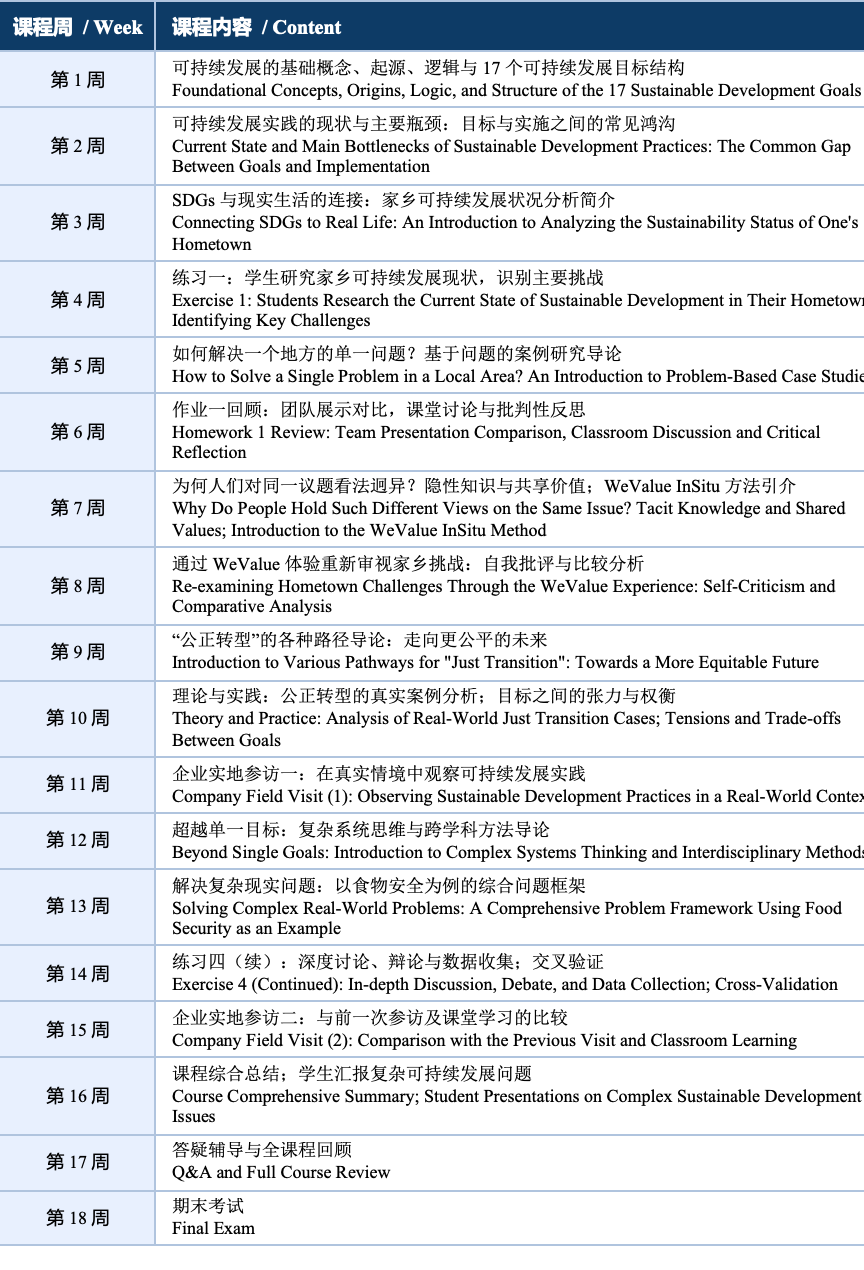
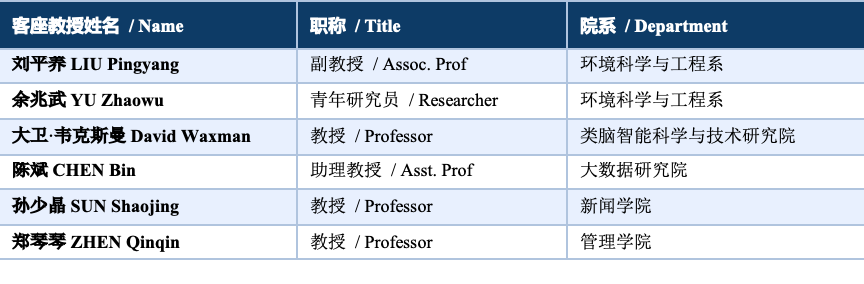
本课程由复旦大学可持续发展研究院(SDI)负责人Marie Harder教授主导,汇聚了SDI核心研究团队及复旦大学跨院系的顶尖师资。主讲教师具有深厚的可持续发展领域国际研究背景,并邀请6位来自环境、经济、管理、新闻、数据科学等不同学科的客座教授以形成“师资库“,在不同教学周参与授课或引导讨论,确保课程具备丰富的跨学科视角与国际化视野。
This course is led by the Director of SDI - Prof.Marie Harder, bringing together SDI’s core research team and top faculty from across Fudan’s schools and departments. The leading lecturers possess a profound international research background in the field of sustainable development. Additionally, 6 guest professors from diverse disciplines such as environment, economics, management, journalism, and data science will be invited to participate in teaching or lead discussions during different weeks, ensuring the course offers a rich interdisciplinary and international perspective.
主要授课师资 Leading Lecturers:
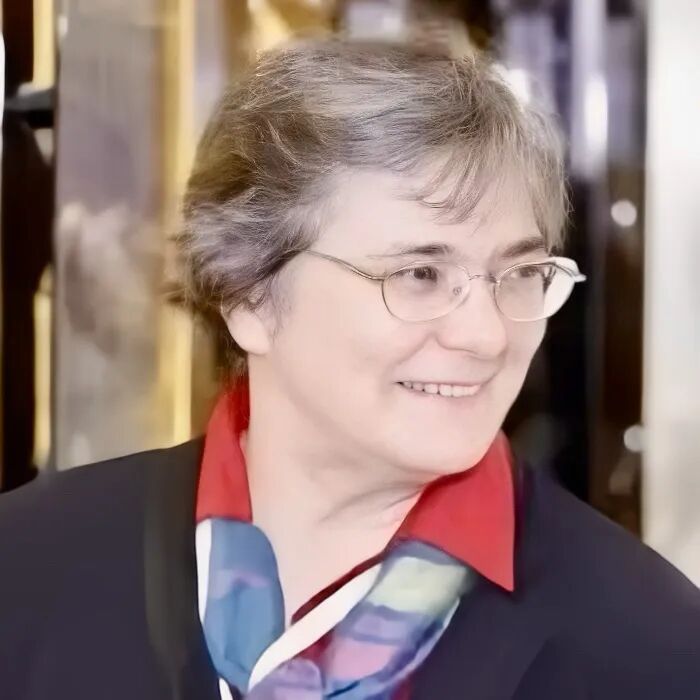
玛丽·哈德(Marie Harder)
现任复旦大学可持续发展研究院(SDI)负责人、复旦大学环境科学与工程系特聘教授。
她长期致力于可持续发展转型、超学科方法论、公众参与与环境治理等领域的研究与教学。她拥有丰富的国际研究与教学经验,擅长以互动式、参与式的方法激发学生的批判性思维与创新潜能。目前已在国际高水平期刊上发表学术论文120余篇。她的研究注重科学与实践的结合,研究范围涵盖亚、非、欧三大洲十余个国家,研究主题涉及国际发展、气候变化、乡村振兴、韧性城市、儿童健康发育等多个方面。
Prof.Marie Harder is the founding Director of the SDI and a Distinguished Professor in the Department of Environmental Science and Engineering at Fudan University. Her research and teaching focus on sustainability transitions, transdisciplinary methodology, public participation, and environmental governance. With extensive international research and teaching experience, she excels at using interactive and participatory approaches to stimulate students’ critical thinking and innovative potential. She has published over 120 academic papers in high-level international journals. Her research emphasizes combining science with practice, covering more than ten countries across Asia, Africa, and Europe. Her research topics include international development, climate change, rural revitalization, resilient cities, and child health and development.
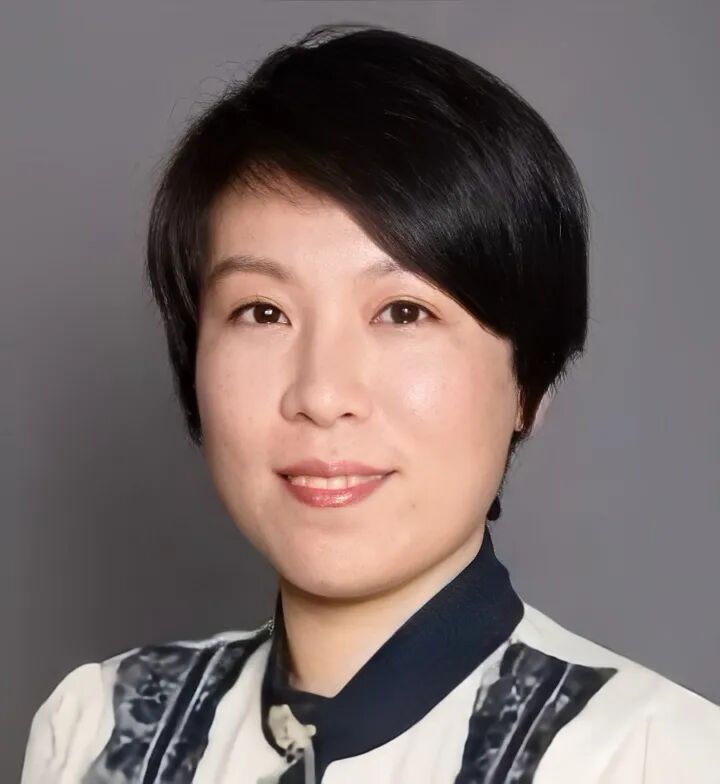
张轶
复旦大学环境科学与工程系副教授
2002年于复旦大学环境科学与工程系获学士学位,2008年获新加坡南洋理工大学环境工程博士学位,2010年起任职于复旦大学。长期从事污水处理工程、好氧颗粒污泥技术及环境微生物学研究,涉及生物降解、高级氧化技术等方向。
Prof. Zhang Yi is an associate professor in the Department of Environmental Science and Engineering at Fudan University. She received his bachelor's degree from the Department of Environmental Science and Engineering at Fudan University in 2002 and her Ph.D. in environmental engineering from Nanyang Technological University, Singapore, in 2008. She joined Fudan University in 2010. Her long-term research focuses on wastewater treatment engineering, aerobic granular sludge technology, and environmental microbiology, covering areas such as biodegradation and advanced oxidation processes.
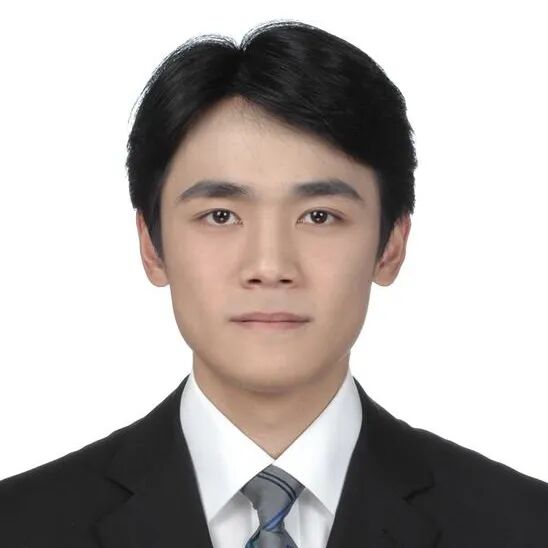
汤维祺
复旦大学发展研究院、上海能源与碳中和战略研究院青年副研究员。复旦大学经济学博士、发展研究院博士后,经济学、法学学士
研究专长为宏观经济数量建模与经济预测,研究领域涉及能源、资源与环境经济学,贸易理论,产业经济及区域经济等。在《中国社会科学》、《经济研究》、《EnergyEconomics》等国内外顶尖期刊发表多篇论文,参与国家、省部级政策咨询及区域经济和产业规划等课题数十项。
Prof. Tang Weiqi, an associate researcher at Fudan Development Institute and the Shanghai Institute for Energy and Carbon Neutrality Strategy, holds a Ph.D. in Economics from Fudan University, where he also completed his postdoctoral research at Fudan Development Institute, and dual bachelor's degrees in Economics and Law. His research expertise lies in quantitative macroeconomic modeling and economic forecasting. His research interests include energy, resource, and environmental economics, trade theory, industrial economics, and regional economics. He has published numerous papers in top domestic and international journals such as Chinese Social Science, Economic Research, and Energy Economics and has participated in dozens of national, provincial, and ministerial-level policy consultations, as well as regional economic and industrial planning projects.
客座教授师资 Guest Lecturers:
复旦发展研究院成立于1993年,是国内高校智库建设的先行者,中国十大影响力智库之一,承担统筹复旦大学智库建设与聚焦中国发展研究的双重职能,为“上海市重点智库”,“上海市人民政府决策咨询研究基地”;并承担“教育部高校哲学社会科学学术服务中心”工作,为教育部“高校哲学社会科学自主知识体系建设战略咨询委员会”提供学术服务,并作为“中国大学智库论坛”和“上海论坛”秘书处单位,持续推动跨学科研究与全球对话。
Fudan Development Institute, established in 1993, is a pioneer in university Thinktank development in China and one of China's top ten influential Thinktanks. It undertakes the dual functions of coordinating Fudan University's Thinktank construction and focusing on China developmental studies. It is designated as a Shanghai Key Think Tank and a Shanghai Municipal People's Government Decision-Making Consultation and Research Base. The institute also hosts the Ministry of Education University Philosophy and Social Sciences Academic Service Center, provides academic services to the Ministry of Education's Strategic Consulting Committee for the Construction of an Independent Knowledge System in University Philosophy and Social Sciences, and, as the secretariat unit for both the China University Think Tank Forum and the Shanghai Forum, continuously promotes interdisciplinary research and global dialogue.
研究院着力于理论创新,聚焦发展、治理和安全,围绕国家治理、社会治理、生态治理、网络治理、科技创新等领域,通过多样化的成果载体和成果转化平台,形成面向世界和国家需求的学术研究和决策咨询成果,为中国之治、中国之路、中国之道贡献复旦智慧。
The institute focuses on theoretical innovation, concentrating on development, governance, and security. It conducts academic research and offers decision-making consulting outcomes for global and national needs, spanning areas such as national governance, social governance, ecological governance, cyberspace governance, and technological innovation. This is achieved through diverse output platforms and conversion mechanisms, contributing Fudan's wisdom to China's governance, path, and way.
复旦大学可持续发展研究院(SDI)于2026年5月正式揭牌成立,是复旦大学面向全球可持续发展议程设立的校级战略枢纽平台。SDI依托复旦发展研究院(FDDI)支持建设,以联合国可持续发展目标(SDGs)为核心发力点,致力于打造一个有组织、可持续、可扩展的超学科研究共同体——将科学、政策与实践有机整合,把学术优势转化为真实的社会变革能力。
Fudan University’s Sustainable Development Institute(SDI) was formally established in May 2026 as a university-level strategic hub dedicated to advancing the global sustainable development agenda. Supported by Fudan Development Institute, SDI takes the UN Sustainable Development Goals (SDGs) as its core focus, building an organised, enduring, and scalable transdisciplinary research community that integrates science, policy, and practice - transforming academic excellence into genuine capacity for societal transformation.
SDI以人的发展为中心,围绕人类认知与行为整合、气候治理与双碳战略、能源低碳转型、超大城市治理、生态环境修复、全球南方ESG改革、科技伦理与人工智能治理等核心议题开展前沿研究。在教育层面,SDI旨在培养能够理解复杂问题、连接多元知识、参与真实世界转型的新一代可持续发展人才。本课程正是SDI在本科通识教育层面的重要尝试。
SDI places human development at its centre, conducting cutting-edge research across clusters including human cognition and behaviour, climate governance and dual-carbon strategy, low-carbon energy transition, mega-city governance, ecological restoration, Global South ESG reform, and AI ethics and governance. In education, SDI aims for nurturing a new generation capable of understanding complex problems, bridging diverse knowledge, and participating in real-world transitions. This course represents SDI’s inaugural commitment to general undergraduate education.
如果你想深刻理解这个时代最重要的议题
——可持续发展,
如果你想突破单一学科的边界,
掌握超学科的思维与方法,
如果你想在真实问题中锻炼跨界协作
与综合研判的能力,
那么这门课就是为你而设。
If you want to truly understand
sustainability challenges,
think across disciplines,
and develop the skills to
drive real-world change
— this SDI course is for you.
依托开课单位:复旦大学环境科学与工程系
Supporting Academic Unit:
Department of Environmental
Science and Engineering, Fudan University

地址:上海市邯郸路220号智库楼
邮编:200433
电话:86-21-55670203
传真:86-21-55670203
电子邮箱:fdifudan@fudan.edu.cn
CopyRight©2007 复旦发展研究院版权所有 备案号/经营许可号:沪ICP备05006147号